When most complete beginners first hear about trading, they focus entirely on finding the next big winning trade. They dream about picking the exact bottom of a market crash or buying a stock that doubles overnight. Unfortunately, this mindset is the fastest way to wipe out a trading account. If you want to build a sustainable online business or skill set, understanding risk management for beginner traders is the absolute most important foundation you can build. Without it, you are simply gambling.



The hard truth in the financial markets is that most beginners lose money. Markets are unpredictable, emotional, and heavily influenced by large institutional players. No indicator, newsletter, or guru can predict the future with 100% certainty. Because losses are an inevitable part of trading, your survival does not depend on being right every single time. It depends entirely on how much money you keep when you are wrong. Effective risk management acts as your safety net, ensuring a string of bad guesses never knocks you out of the game completely.
1. Shift Your Mindset From Profits to Survival
When you start any new online venture—whether it is setting up a blog, learning freelance copywriting, or exploring the stock market—your first instinct should be preservation. In trading, your primary job is not to make millions; your primary job is to protect your capital so you can trade again tomorrow.
Think of your starting trading capital as the inventory for a retail store. If a shop owner spends all their money buying broken items they cannot sell, the business fails immediately. Similarly, if you risk all your money on a single high-risk trade, your trading business is over before it even starts. Amateurs focus exclusively on how much money they can make on a trade. Professionals focus first on how much money they are willing to lose.
Accepting that losses will happen takes the emotional weight off your shoulders. When you view a small losing trade as simply a normal business expense—similar to paying for website hosting or software subscriptions—it becomes much easier to manage your emotions and stick to your plan.
2. The Golden Rule: Only Trade With Risk Capital
One of the most dangerous traps for beginners is trading with money they cannot afford to lose. This includes rent money, grocery funds, emergency savings, or cash borrowed from friends and family.
When you trade with essential money, your psychology shatters. Every small market fluctuation causes intense panic, anxiety, and sleepless nights. Under this kind of pressure, you will almost certainly make irrational decisions—such as selling a winning trade too early out of fear, or holding onto a massive loser in the desperate hope that prices will bounce back.
True risk management starts long before you place a trade. It starts by strictly defining your trading account size using genuine risk capital. This is money that, if it vanished tomorrow, would not impact your lifestyle, your mental health, or your financial stability in the slightest. If you do not have spare cash to set aside for learning, it is far wiser to focus your energy on zero-risk online business models first.
3. Position Sizing: Controlling How Much You Risk Per Trade
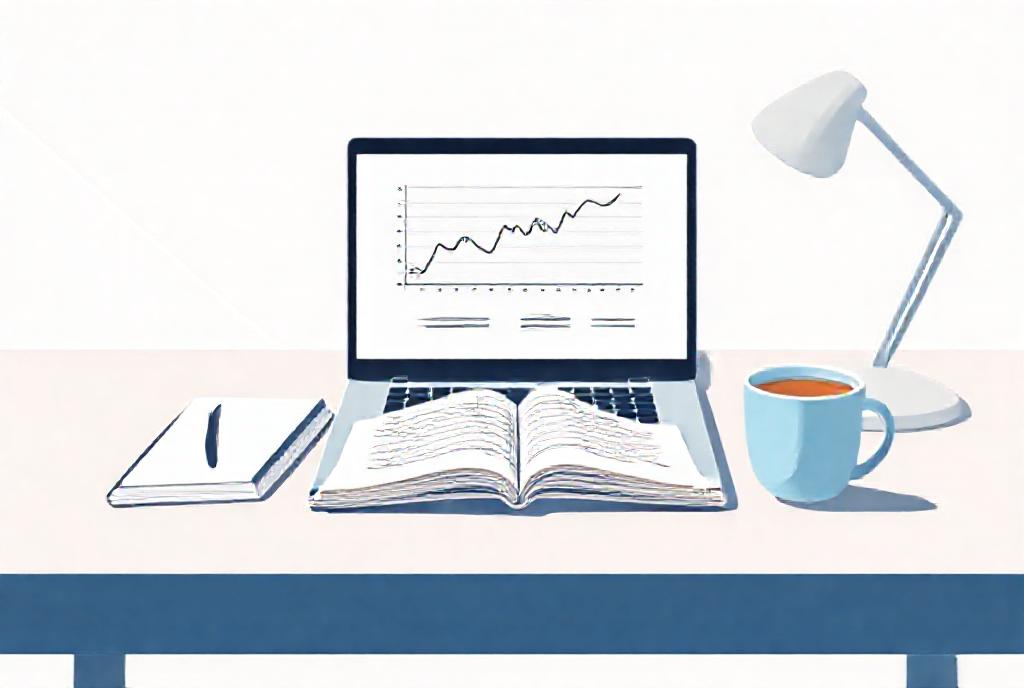
Position sizing is simply the math you use to decide how many shares, contracts, or units to buy in a single trade. It is the core engine of risk management for beginner traders because it dictates your exact financial exposure on every single market move.
Many beginners make the mistake of putting their entire account balance into a single stock or crypto asset. If that asset drops by 20%, their entire portfolio takes a devastating 20% hit. Professional traders, on the other hand, rarely risk more than 1% to 2% of their total account balance on any single trade.
For example, if you have a $5,000 trading account and you risk 1% per trade, your maximum allowable loss on a single idea is $50. If the trade goes against you and hits your predetermined exit point, you lose $50—which is easily recoverable. If you risked 50% of your account instead, two bad trades would wipe you out completely. Keeping your position sizes small ensures that a single bad day at the computer never ruins your month.
4. Using Stop-Loss Orders to Automate Protection
A stop-loss order is an instruction given to your brokerage platform to automatically sell an asset when its price drops to a specific level. It is your ultimate safety shield in the markets.
Beginners often resist using stop-losses because they are afraid of getting stopped out right before a price reverses. While this can occasionally happen, letting a trade run without a stop-loss is like driving a car without brakes simply because you are afraid of using them too early. Hope is not a valid trading strategy.
Before you ever click the buy button, you should look at the chart and decide: At what price does this trade idea officially become wrong? Once you identify that price level, place your stop-loss order immediately. This removes human hesitation from the equation. If the market drops to your danger zone, the computer steps in, cuts the trade, and preserves the rest of your capital while you are away from the screen.
5. Understanding Risk-to-Reward Ratios
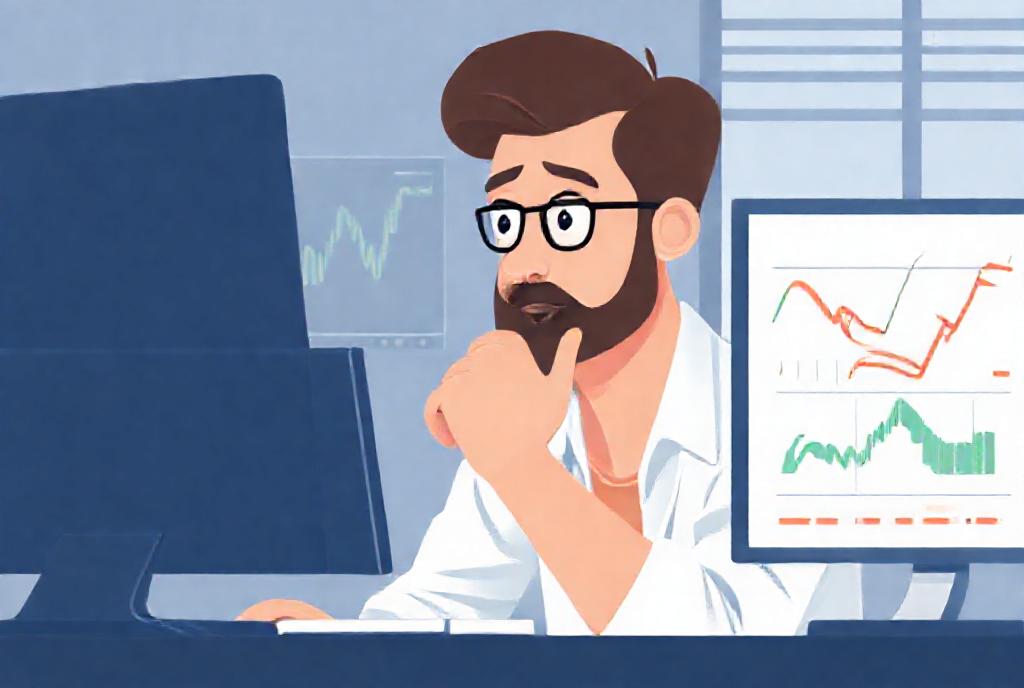
Protecting your money is not just about keeping losses small; it is also about making sure your potential winners are large enough to cover your inevitable mistakes. This relationship is known as the risk-to-reward ratio.
A risk-to-reward ratio compares how much money you are risking on a trade against how much profit you reasonably expect to make based on chart analysis. For instance, if your stop-loss means you will lose $100 if the trade fails, but your target price means you will make $300 if the trade succeeds, you have a 1:3 risk-to-reward ratio.
The beauty of a favorable risk-to-reward ratio is that you do not need to be right all the time to grow your account. If you maintain a 1:3 ratio, you can actually be wrong on more than half of your trades and still come out profitable overall. Focusing on asymmetric setups where your potential reward is significantly higher than your risk changes the math of trading entirely in your favor.
This post contains an affiliate link. If you sign up through it, I may earn a commission at no extra cost to you.
6. Building Discipline and Managing Emotions
The best risk management plan in the world is completely useless if you lack the discipline to follow it. Trading has a unique way of bringing out our worst psychological traits: greed, fear, hope, and ego.
Many beginners experience “revenge trading”—the dangerous urge to immediately place a larger, riskier trade right after taking a loss, just to win the money back. This emotional spiral almost always results in an even bigger loss. Similarly, greed can tempt you to ignore your rules when a trade is working, leading you to hold on too long until profits evaporate.
Treating trading like a strict business operation helps keep emotions in check. Write down your trading rules, position sizing limits, and maximum daily loss thresholds on a physical notepad next to your monitor. If you hit your maximum daily loss limit, close your laptop and walk away for the day. Protecting your mental capital is just as important as protecting your financial capital.
7. Creating a Long-Term Learning Routine
Mastering financial markets and risk controls takes time, patience, and continuous education. Rather than rushing to risk real money right away, smart beginners spend weeks or months practicing with simulated paper trading accounts to test their strategies without financial danger.
If you enjoy the digital landscape of online business and want to develop diverse income streams alongside your market education, building foundational digital marketing skills can provide a stable complement to your financial journey. For those exploring structured digital education outside of trading, platforms like Wealthy Affiliate offer great beginner training for building content-based websites from scratch.
Take things one step at a time. Prioritize risk management above all else, keep your position sizes microscopic while you learn, and remember that longevity in the markets is the true mark of a successful trader.
Disclaimer: This article is for educational purposes only and is not financial or investment advice. Trading carries a high risk of loss, and most beginners lose money. Never trade with money you cannot afford to lose, and consider speaking to a qualified, regulated financial adviser.
More from our store