When you first dip your toes into the world of online trading, looking at a price chart can feel like trying to read a foreign language written entirely in code. You see numbers flashing, lines moving, and two distinct prices listed for every single asset. If you have ever wondered why you cannot buy and sell at the exact same price instantly, you are running right into one of the foundational mechanics of the financial markets: the bid ask spread explained for beginners. Understanding this concept is critical because it represents an invisible cost that every trader pays on every single transaction.



Surprises Graphic Hoodie – “I’m Not Dramatic I’m Just Full of Surprises” Comfortable Pullover
£50.99
Before you ever place a trade, it is important to be radically honest about the reality of the markets. Trading is not a guaranteed way to make extra income, and statistics show that the vast majority of beginners actually lose money when they start. Financial markets are complex, fast-moving, and unforgiving to those who dive in without preparation. Because of this harsh reality, mastering basic mechanics like market pricing and prioritizing risk management must always come before you risk a single dollar of your hard-earned money.
The Two Prices: Understanding Bids and Asks
To understand how market pricing works, imagine walking into a local flea market or a specialized collectible shop. If you want to buy a vintage watch, the dealer will quote you a price they are willing to sell it for. That is their asking price. On the flip side, if you walk in with that same watch and want to sell it back to the dealer, they are going to offer you a lower price so they can make a profit when they resell it. That is their bidding price.
In digital financial markets, this buyer-seller dynamic happens automatically and millions of times every second through electronic order books. Every asset you look at will show two prices simultaneously:
- The Bid Price: This is the absolute highest price that any buyer in the market is currently willing to pay for that specific asset right now. If you want to sell your asset immediately, this is the price you will receive.
- The Ask Price: This is the absolute lowest price that any seller in the market is currently willing to accept for that asset right now. If you want to buy that asset immediately, this is the price you will pay.
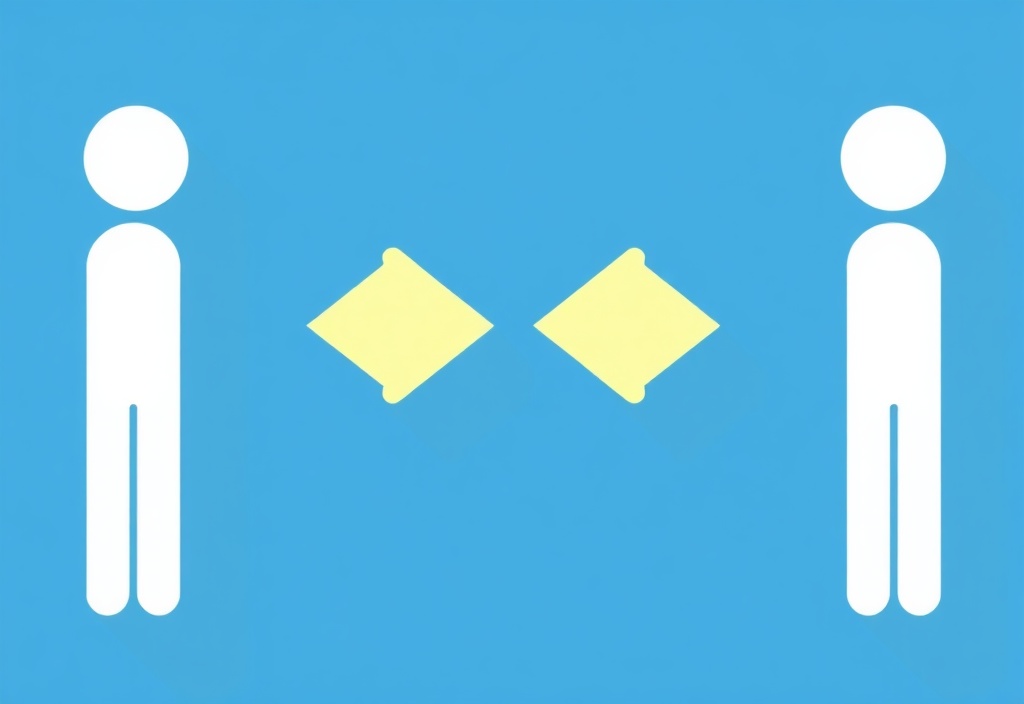
Naturally, the ask price is almost always higher than the bid price. After all, a buyer wants to pay as little as possible, while a seller wants to get as much as possible. The gap sitting right in the middle of those two numbers is what we call the spread.
What Exactly Is the Spread and Who Gets the Money?
The bid-ask spread is simply the numerical difference between the highest bid and the lowest ask. If a stock has a bid price of $50.00 and an ask price of $50.10, the spread is 10 cents. That 10-minute gap might not sound like a big deal, but it adds up quickly, especially if you are placing multiple trades throughout the day.
You might be wondering: who actually collects this money? It is not a fee charged by your brokerage platform. Instead, the spread goes to the market makers, brokers, or liquidity providers who facilitate the transaction. These are the institutions and automated systems that ensure there is always someone ready to buy from you when you want to sell, and always someone ready to sell to you when you want to buy.
Think of the spread as the toll you pay for instant convenience. If you want to buy an asset right this second, you have to pay the higher ask price. If you want to sell it right this second, you have to accept the lower bid price. That immediate difference is the cost of liquidity.
Market Orders vs. Limit Orders: How to Control Your Costs
Now that you know how pricing works, how do you actually interact with these numbers when you place an order? Your broker will typically give you a choice between two main types of orders: market orders and limit orders. Knowing the difference can save you a surprising amount of money over time.
A market order is an instruction to buy or sell an asset immediately at the best available current price. When you use a market order, you are telling the system, “Get me into this trade right now.” Because speed is the priority, you take whatever ask price is sitting at the top of the order book. This means you will automatically cross the spread and start your trade at a slight disadvantage, sitting in negative territory by the exact width of the spread.
A limit order, on the other hand, lets you set your own exact price. If a stock is trading with a bid of $100 and an ask of $100.05, but you only want to pay $100.00, you can place a limit order at $100. Your order will sit in the electronic book waiting for someone to match it. The big benefit here is that you avoid paying the spread. The big drawback is that the price might run away without you, and your order might never get filled at all if the market moves in the other direction.
Why Spreads Change: Liquidity and Volatility
Not all spreads are created equal. Sometimes a spread might be just one cent wide, while other times it might be wide enough to swallow a huge chunk of your potential trade value. Two main factors drive these changes: liquidity and volatility.
Liquidity refers to how many buyers and sellers are actively trading that asset. Popular assets like major global currencies or mega-cap tech stocks have massive trading volumes. Because thousands of people are trading them every second, competition is fierce, and the bid ask spread explained for beginners is usually tiny—sometimes fractions of a penny. On the flip side, obscure assets or micro-cap stocks have very few participants, creating a wide gap between buyers and sellers.
Volatility is how fast and wildly prices are moving. When major economic news drops or an unexpected corporate earnings report hits the wires, markets can go wild. During these chaotic moments, sellers pull their offers back to protect themselves, and buyers lower their bids. The spread widens dramatically. For a beginner, trading during high volatility with wide spreads is one of the fastest ways to bleed away capital through transaction costs alone.
Protecting Your Capital and Managing Expectations
As you continue exploring the vast universe of online business and wealth-building concepts, it is vital to keep your feet firmly planted on the ground. Many beginners mistakenly treat trading like a video game or a quick ticket to financial freedom. In reality, it is a demanding discipline where transaction costs like the bid-ask spread constantly nibble at your account balance.
If your ultimate goal is to build a reliable, long-term online income without taking on the devastating financial risks associated with day trading, you might want to look into building digital assets like content websites or affiliate marketing businesses instead. These business models let you invest your time and sweat equity rather than gambling your savings on market fluctuations.
Whether you choose to study financial markets or build a digital business, remember that sustainable success always comes down to managing risk, keeping your costs low, and accepting that education takes time. Never risk money you cannot afford to lose, and always make sure you understand the hidden costs—like the spread—before you click that buy button.
Disclaimer: This article is for educational purposes only and is not financial or investment advice. Trading carries a high risk of loss, and most beginners lose money. Never trade with money you cannot afford to lose, and consider speaking to a qualified, regulated financial adviser.
More from our store