
When you are first starting out in the world of online business, one of the most mysterious parts of affiliate marketing is understanding how affiliate cookies and tracking work for beginners. You might find yourself wondering: If someone clicks my special link today, but doesn’t buy anything until next week, how do I actually get the credit? Is it just magic, or is there an actual technical process happening behind the scenes? The good news is that it is not magic at all. It is a very reliable, standard piece of web technology that has been used for decades to ensure hard-working creators get paid for their recommendations.
Understanding this mechanic is essential for your peace of mind. Without knowing how tracking works, you might constantly worry that your clicks are disappearing into a black hole or that you are losing out on commissions. In this guide, we are going to demystify the entire tracking process. We will look at what a cookie actually is, how tracking windows dictate your earning potential, and what you can do to protect your commissions so you never leave money on the table.
What Is an Affiliate Cookie, Really?
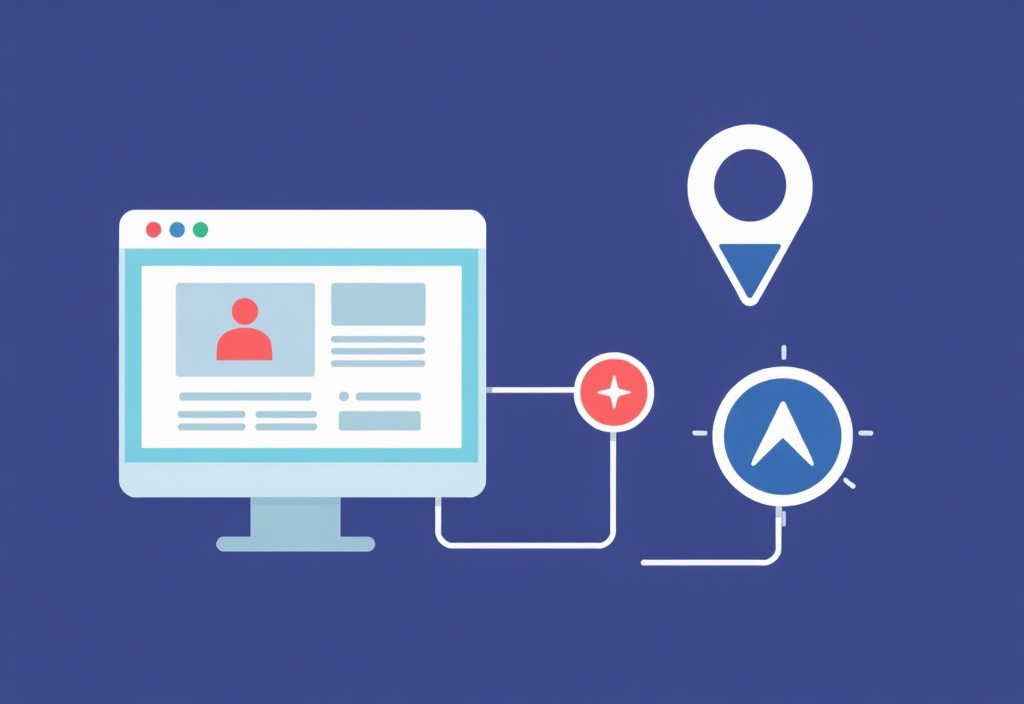
Let’s start with the basics. When you join an affiliate program, the company gives you a unique URL. This URL contains a special tracking code, usually a string of numbers or letters tied directly to your specific account. When a visitor clicks that link on your website, your browser instantly communicates with the merchant’s website.
During this brief handshake, the merchant’s website drops a small text file onto your visitor’s web browser. That text file is called a cookie. Don’t worry, it doesn’t steal personal information, track their personal emails, or do anything malicious. Think of it more like a tiny digital sticky note that says: Hey, this visitor came from Partner ID 12345.
Once that sticky note is safely attached to the visitor’s browser, you are in the system. If that visitor clicks around, looks at products, and eventually decides to make a purchase, the merchant’s checkout system checks the browser for that sticky note. It sees your ID, says Ah-ha, user 12345 sent this customer, and automatically assigns the sale to your account. That is the fundamental engine that powers affiliate marketing across the entire internet.
The Concept of the Tracking Window (Expiration Dates)
Now that you know what a cookie is, we need to talk about its lifespan. A cookie does not live forever. Every affiliate program sets a specific time limit on their cookies, which is often referred to as the cookie duration or tracking window.
A tracking window is simply the amount of time between the initial click and the final purchase that will still result in you getting a commission. For example, if a program has a 24-hour cookie window, the user must buy the product within 24 hours of clicking your link for you to get paid. If they come back two days later and buy it, the cookie has expired, and you won’t get credit.
On the flip side, many great programs offer 30-day, 60-day, or even 90-day tracking windows. Some companies even use lifetime cookies, meaning as long as that person stays on their platform or doesn’t clear their browser data, any future purchases they make will earn you a commission. When you are choosing products to promote, looking closely at the length of the tracking window is a smart business habit. Longer windows give your audience time to think, research, and return to make a purchase without you losing out.
Last-Click Attribution: Who Gets the Sale?
Another crucial concept for beginners to grasp is how attribution works when a user clicks multiple links from different creators. Most traditional affiliate programs operate on a last-click attribution model.
Imagine a scenario where a reader finds your blog and clicks your affiliate link for a new camera. They read your review, think it’s great, but they close the tab and don’t buy right away. Two days later, they see a different blogger’s post about the exact same camera, click their link, and finally decide to purchase.
In a last-click attribution system, the second blogger gets the commission because their link was the last one clicked before the transaction took place. Their cookie overwrote your cookie. While this might feel a bit unfair at first, it is simply how the industry standard works. It encourages everyone to keep driving fresh traffic and provides a clear, unambiguous rule for the merchant to follow when distributing payouts.

This post contains an affiliate link. If you sign up through it, I may earn a commission at no extra cost to you.
Where to Learn More and Put This Into Practice
By now, you are probably starting to see how all the pieces fit together. You find a product, get your special link, share it with helpful content, and let the cookies do the behind-the-scenes work of tracking your sales. But knowing the theory is only half the battle; the real trick is knowing how to build a simple website that attracts the right visitors to those links in the first place.
If you find yourself wondering how to tie all these technical steps together into a coherent daily routine, you don’t have to figure it out alone. Comprehensive platforms like Wealthy Affiliate provide step-by-step beginner training that walks you through setting up your site, picking the right merchant programs, and creating content that gets clicks without feeling sleazy or overly salesy.
Common Pitfalls That Can Break Your Tracking
Even when you understand how affiliate cookies and tracking work for beginners, things can occasionally go wrong if you aren’t careful. Technology has quirks, and users have habits that can accidentally wipe out your hard-earned tracking data.
The most common culprit is browser clearing. Internet users frequently clear their cache, delete their cookies, or use privacy-focused extensions that block tracking scripts entirely. If a user clears their cookies after clicking your link but before making a purchase, your tracking sticky note is gone, and the merchant will have no record that you referred them.
Another issue is device switching. If a user clicks your affiliate link on their smartphone while scrolling through social media during their lunch break, but then later completes the purchase on their office desktop computer, your cookie will not transfer across devices. The tracking is tied strictly to that specific browser session on that specific device. While some advanced merchants use user-login tracking to bridge this gap, standard browser cookies do not support cross-device tracking.
Best Practices for Protecting Your Commissions
While you cannot control every single action your visitors take, you can adopt habits that maximize your chances of getting proper credit. First, always test your links before publishing them. Click your own affiliate link in an incognito or private browsing window to ensure it successfully redirects to the correct landing page.
Second, educate your audience honestly. Let your readers know that clicking your links is a wonderful, free way to support your work. When people understand that using your link doesn’t cost them an extra penny, they are often happy to click right through before making their purchase.
Finally, focus on promoting high-quality products with reasonable tracking windows and reputable affiliate networks. Companies like Amazon, ShareASale, and ClickBank have robust tracking systems designed to minimize lost sales and ensure accurate payouts. By combining good content creation with a solid grasp of how tracking works, you can build a transparent, reliable online business from the ground up.