
When you are first starting out online, the concept of making money simply by recommending other people’s products sounds almost too good to be true. You might wonder how anyone actually keeps track of who made the sale, or how you get paid for a recommendation you typed out on your laptop. Understanding how affiliate marketing commissions work for beginners is the foundation of building a legitimate online business. It removes the mystery and replaces confusion with a clear, step-by-step process that happens behind the scenes every single day.
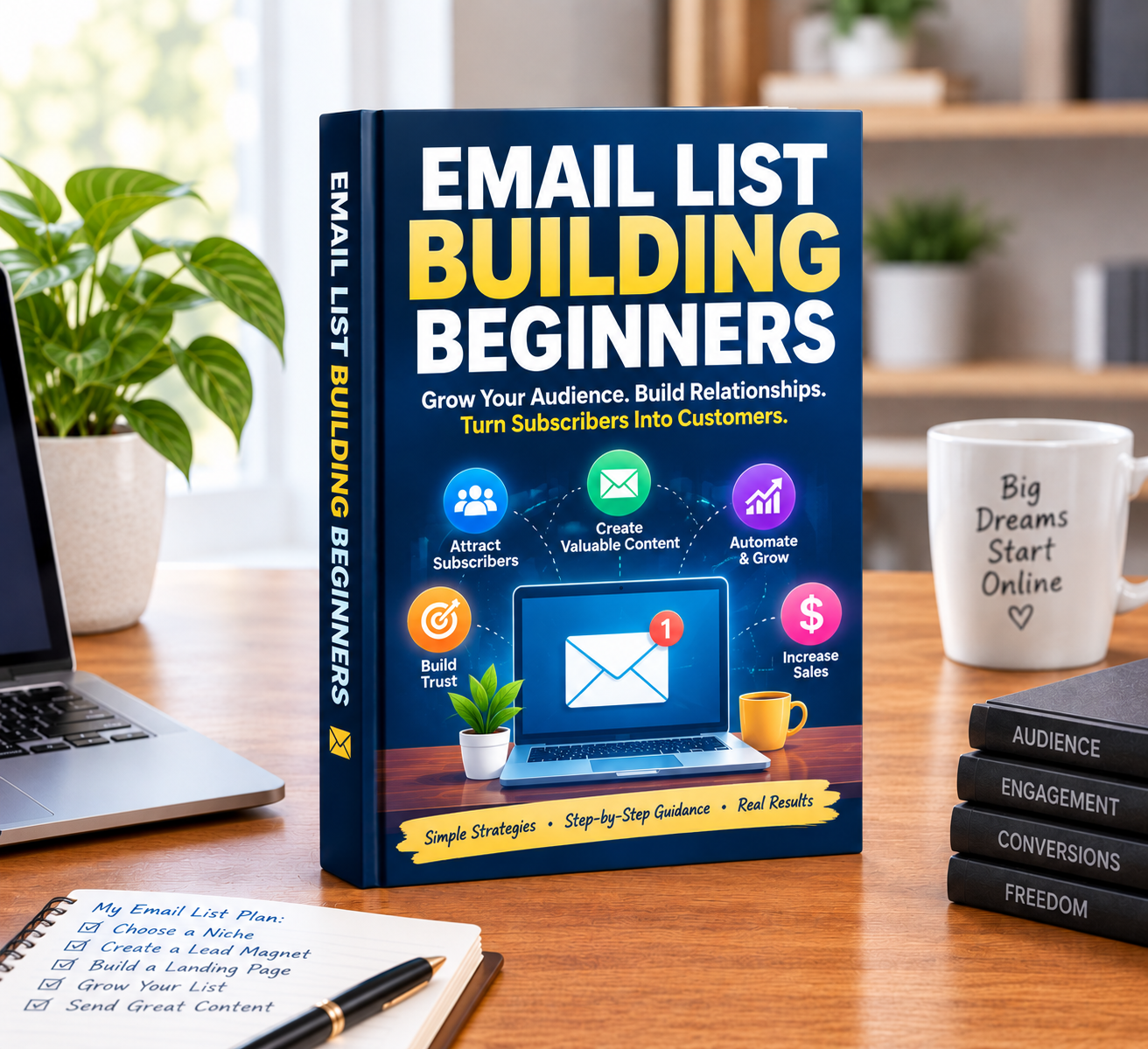
Email_List_Building_Beginners
£20.00 Original price was: £20.00.£7.00Current price is: £7.00.

Limited Edition Ceramic Mug — “I’m Not Perfect but Limited Edition
£10.00 Original price was: £10.00.£5.00Current price is: £5.00.

I’m Not Bossy I’m The Boss T-Shirt
£30.00 Original price was: £30.00.£20.00Current price is: £20.00.
At its core, affiliate marketing is a performance-based arrangement. Instead of paying upfront for advertising space that might not work, a company only pays a publisher—that is you—when an actual sale or desired action happens. You do not need to stock inventory, ship packages, or deal with customer service returns. Your only job is to connect a curious buyer with a product that solves their problem, using a very specific digital tracking tool.
The Secret Behind the Click: What Is an Affiliate Link?
The entire system relies on a special hyperlink known as an affiliate link. When you join an affiliate program for a product you love, the company generates a unique URL just for you. This URL looks very similar to a normal web address, but it contains a string of letters and numbers at the end—usually your unique affiliate ID.
When a reader clicks that link on your website, two important things happen instantly in the background. First, the merchant’s website drops a small file called a cookie onto your reader’s web browser. Second, the merchant’s tracking software logs that your unique ID sent this specific visitor to their virtual storefront. Even if the person leaves the site immediately, that tracking mechanism remembers who sent them.

How Cookies and Attribution Windows Protect Your Earnings
One of the most common questions beginners ask is: "What happens if someone clicks my link today, but does not buy anything until next week? Do I still get paid?" The answer lies in something called the cookie duration or attribution window.
A cookie is essentially a temporary digital receipt stored in the buyer’s browser. Affiliate programs set different timeframes for how long this cookie stays active. Some programs offer a 24-hour window, while others offer 30, 60, or even 90 days. If your reader clicks your link and purchases the product within that timeframe, the sale is successfully attributed to you, and you earn your commission.
It is worth noting that most major networks operate on a "last-click" attribution model. This means that if a customer clicks multiple affiliates’ links before finally making a purchase, the affiliate whose link was clicked most recently gets credit for the sale. This is why building genuine trust and encouraging immediate clicks is so important for your online business.
The Different Ways Merchants Pay Out Commissions
Not all affiliate programs calculate payouts the exact same way. When exploring different business models, you will typically encounter a few standard commission structures. Understanding these structures helps you choose the right products to promote on your blog.
The most common model is Pay-Per-Sale, where you earn a percentage of the total purchase price whenever someone buys a physical or digital product through your link. Another popular option is recurring commissions, which are common in software subscriptions and membership sites. With recurring commissions, you get paid every single month as long as your referred customer maintains their active subscription, creating a reliable stream of passive income.
Less common models include Pay-Per-Lead—where you get paid just for getting someone to fill out a free form or sign up for a trial—and Pay-Per-Click, though the latter is rare in traditional affiliate marketing and usually reserved for display advertising networks.
This post contains an affiliate link. If you sign up through it, I may earn a commission at no extra cost to you.
Putting It Into Practice: Where to Build Your Knowledge Base
Now that you understand the mechanics of tracking links, cookies, and payouts, you are probably wondering where to go from here. Knowing the theory is a great start, but building a real income stream requires learning how to pick profitable niches, write helpful content, and naturally place your links where readers actually want to click them. If you want a structured, step-by-step environment where you can learn these core skills from scratch without feeling overwhelmed, Wealthy Affiliate is an incredible platform that walks you through building your first revenue-generating website from day one.
When you use a comprehensive training hub, you eliminate the guesswork of trying to piece together dozens of free YouTube tutorials that often contradict each other. You get a clear roadmap that shows you how all these pieces—content creation, SEO, and link management—fit together seamlessly.
From Click to Cash: Getting Paid
The final step in the cycle is getting your hard-earned money deposited into your bank account. Once your readers start clicking your links and making purchases, the merchant accumulates your earnings in your affiliate dashboard. Most reputable programs have a minimum payout threshold—such as $50 or $100—to prevent transaction fees from eating up small amounts.
Once you reach that threshold, the company initiates payment on their scheduled payout date, which is usually monthly. Common payout methods include direct bank deposit (Direct Deposit/EFT), PayPal, wire transfer, or physical checks depending on your location and the merchant’s global reach. Watching that very first commission notification pop up in your email inbox is a genuinely thrilling milestone that proves this business model truly works.
By mastering how affiliate marketing commissions work for beginners, you can approach your new online business with confidence, clarity, and a solid understanding of how every click turns into sustainable long-term revenue.
