
When you are just starting an online business from scratch, staring at a blank screen and trying to figure out how to choose affiliate products for beginners can feel completely overwhelming. You might assume you need thousands of social media followers, a massive email list, or an expensive advertising budget to make your very first online sale. Let me put your mind at ease right now: you do not need any of those things. In fact, many successful digital entrepreneurs started with zero audience and zero prior experience. The secret is not how many people are watching you; it is about picking the right items to recommend to the exact right people who are already searching for answers.
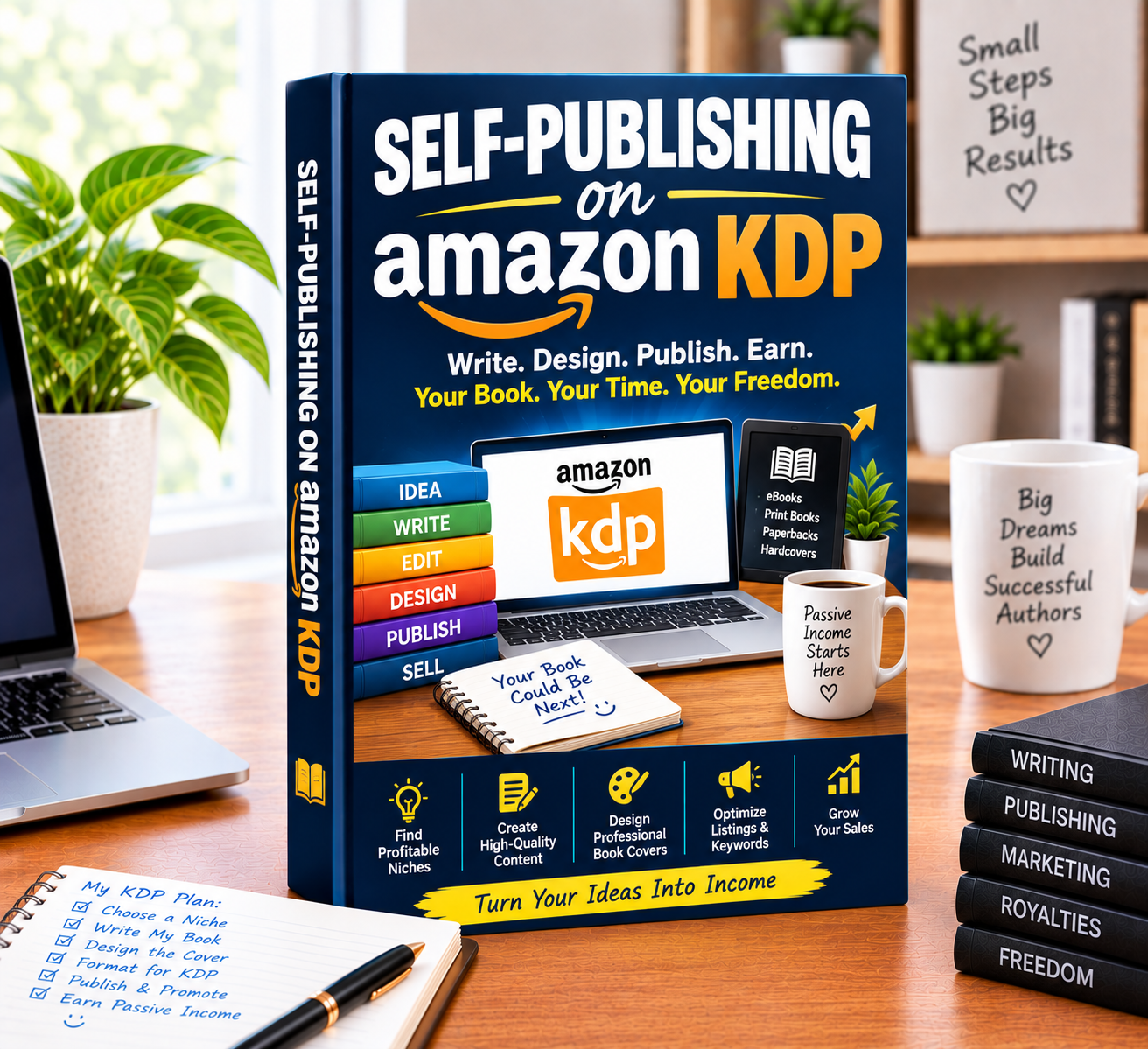
Self-Publishing on Amazon KDP
£20.00 Original price was: £20.00.£7.00Current price is: £7.00.

You Are Stronger Than You Think T-Shirt
£30.00 Original price was: £30.00.£20.00Current price is: £20.00.

Varsity Jacket with Interlocking Circle Logo – Navy Collared Coach-Style Jacket
£180.00 Original price was: £180.00.£150.00Current price is: £150.00.
Choosing your first promotional items is the foundation of your entire digital venture. If you pick the wrong items—like trying to sell high-end luxury software as a complete novice—you will struggle to make a single sale because people won’t trust your recommendation yet. But if you follow a step-by-step framework to evaluate demand, relevance, and trust, you can build a sustainable income stream from day one. Let’s break down how to approach this without getting bogged down in complex marketing jargon.
Start With What You Know or Are Genuinely Curious About
The biggest mistake beginners make is chasing the highest commission payout regardless of what the product actually is. They see a digital course paying a massive fifty percent commission and immediately sign up to promote it, even though they have no idea what the course teaches. This approach almost always fails because people can smell insincerity from a mile away. If you don’t understand the product, you won’t be able to answer basic questions or write helpful content about it.
Instead, look at your own daily life, hobbies, frustrations, and past experiences. What software do you use to organize your schedule? What fitness gear helped you stick to a routine? What books changed your perspective on personal finance? When you promote something you genuinely use, like, or understand, your writing becomes natural, enthusiastic, and believable. You aren’t trying to force a sale; you are simply sharing a helpful tool with someone who has the exact same problem you used to have.

Focus on Solved Problems, Not Fancy Features
Beginners often think they need to promote massive, expensive products to make good money. In reality, the easiest items to recommend are simple problem-solvers. Think about the last time you typed a desperate question into a search engine. Were you looking for a complicated enterprise solution, or were you looking for a straightforward tool that fixed a specific annoyance in your daily routine?
People buy products because they want a solution to a painful problem or a shortcut to a desired result. If a product saves someone time, reduces their stress, or helps them learn a new skill quickly, it is a strong candidate for your promotion list. When you write content around these problem-solving items, your focus shouldn’t be on listing technical specifications. Your focus should be on painting a picture of what life looks like after the problem is solved using that specific tool.
Understand the Difference Between Physical and Digital Products
As you explore your options, you will quickly notice two main categories of merchandise: physical goods (like those found on Amazon) and digital goods (like software, online courses, and web hosting services). Both have distinct advantages and drawbacks for newcomers, so it helps to know what you are getting into.
Physical items are generally very easy for customers to understand and trust because everyone is used to shopping online. However, the commission percentages tend to be quite low—often ranging from one to ten percent. Digital items, on the other hand, frequently offer commissions of thirty to fifty percent or even higher because digital inventory has no manufacturing or shipping costs. While digital goods sometimes require a bit more explanation to show their value, they are usually much more lucrative for building a profitable online business from the ground up.
Where to Find Reliable Programs and How to Choose Affiliate Products for Beginners
Once you understand the types of items you want to focus on, the next practical question is finding trustworthy networks to join. You don’t want to sign up for sketchy third-party sites that might not pay out your earned commissions. You want established marketplaces with reliable tracking, clear terms, and plenty of quality merchants to choose from.
Popular networks like ClickBank, ShareASale, and individual brand partnership pages are great starting points. However, navigating these platforms and learning how to piece everything together strategically can take quite a bit of trial and error if you are entirely on your own. That is why many new entrepreneurs look for structured, step-by-step guidance that shows them how to build a website, find profitable niches, and connect with the right merchants without wasting months guessing.
This post contains an affiliate link. If you sign up through it, I may earn a commission at no extra cost to you.
Building Your Foundation Step-by-Step
If you are looking for a complete, beginner-friendly ecosystem that walks you through building your digital business from scratch—including finding your niche, selecting your offers, and generating organic traffic without any followers—check out Wealthy Affiliate. Having a structured roadmap removes the guesswork and helps you stay focused on income-producing activities rather than getting distracted by shiny object syndrome.

Check the Merchant’s Reputation and Support Resources
Before you commit to promoting a specific item, you need to do a little homework on the merchant behind it. Remember, when you recommend something to your audience, your personal reputation is on the line. If you send someone to a product that turns out to be low-quality or has terrible customer service, that person will never trust your recommendations again.
Look for merchants who provide good promotional materials, such as banner ads, email swipe copy, or product videos. Check if they have an active support team that responds to customer inquiries promptly. Read reviews from other users to ensure the item delivers on its promises. Taking ten minutes to vet a merchant upfront can save you from major headaches and refund requests down the road.
Keep It Simple and Take Your First Step Today
The most important takeaway for any newcomer is that action beats perfection every single time. You do not need to pick twenty different items on day one. In fact, picking just one or two core offers allows you to focus all your energy on creating genuinely helpful content that attracts the right audience. Choose a product that aligns with your interests, solves a real problem for real people, and comes from a trusted merchant. Take your time, stay consistent with your content creation, and watch your confidence and your business grow step by step.
