Starting a new venture is exciting, but let’s be honest: the fear of wasting hard-earned money on something that ultimately fails stops many beginners in their tracks. Before you spend a single dollar on fancy logos, inventory, or expensive software, you need a strategy for how to test a business idea for free. Business idea validation is the secret weapon of successful entrepreneurs. It separates the ideas that will make money from the ones that will only drain your wallet and energy. In this guide, you will learn practical, beginner-friendly steps to validate your concept without opening your checkbook.


1. Shift Your Mindset From Perfection to Experimentation
The biggest trap new entrepreneurs fall into is thinking they need a finished product before they can talk to customers. They spend months building a website, designing business cards, and agonizing over brand colors. Then, they launch to total silence. This happens because they skipped the most critical phase: validation.
Validation simply means finding out if people actually want what you plan to offer before you spend time and money creating it. Think of your business idea as a hypothesis in a science experiment. You aren’t failing if the idea doesn’t work out; you are simply gathering data. By shifting your mindset from “I am building a permanent business right now” to “I am running a quick experiment,” you take the pressure off yourself. If the experiment fails, you tweak the idea or move on to the next one without losing a fortune.
2. Define Your Target Audience and Their Burning Pain Points
Every successful business solves a specific problem for a specific group of people. If your idea is too broad, you will struggle to connect with anyone. Start by writing down who your ideal customer is. Where do they hang out online? What keeps them awake at night?
To test if this pain point is real, you need to listen to real people. Go to online forums like Reddit, Facebook groups, or Quora where your target audience spends time. Look for complaints, frustrations, and questions they are asking. If you notice people repeatedly asking for help with the exact problem your business idea solves, you have found a strong signal. Take notes on the exact words they use to describe their frustrations—these phrases will become the foundation of your future marketing.
3. Use Social Media and Communities to Gauge Real Interest
You don’t need a professional website to find out if people care about your idea. You can use free social media platforms and online communities to gauge public interest directly.
For example, if you want to start a coaching business helping busy parents meal prep, join a parenting Facebook group and share a helpful tip without selling anything. See how people react. Better yet, post a question asking: “Would anyone be interested in a free short guide on how to meal prep healthy dinners in 20 minutes?” Watch the comments. If people enthusiastically raise their hands, you have just validated that the demand exists. This grass-roots approach costs $0 and gives you instant, unfiltered feedback.
4. Create a Free Landing Page to Collect Email Sign-Ups
Once you have a general sense of interest, it is time to take the next step. If you want to know how to test a business idea for free at a deeper level, setting up a simple landing page is the gold standard.
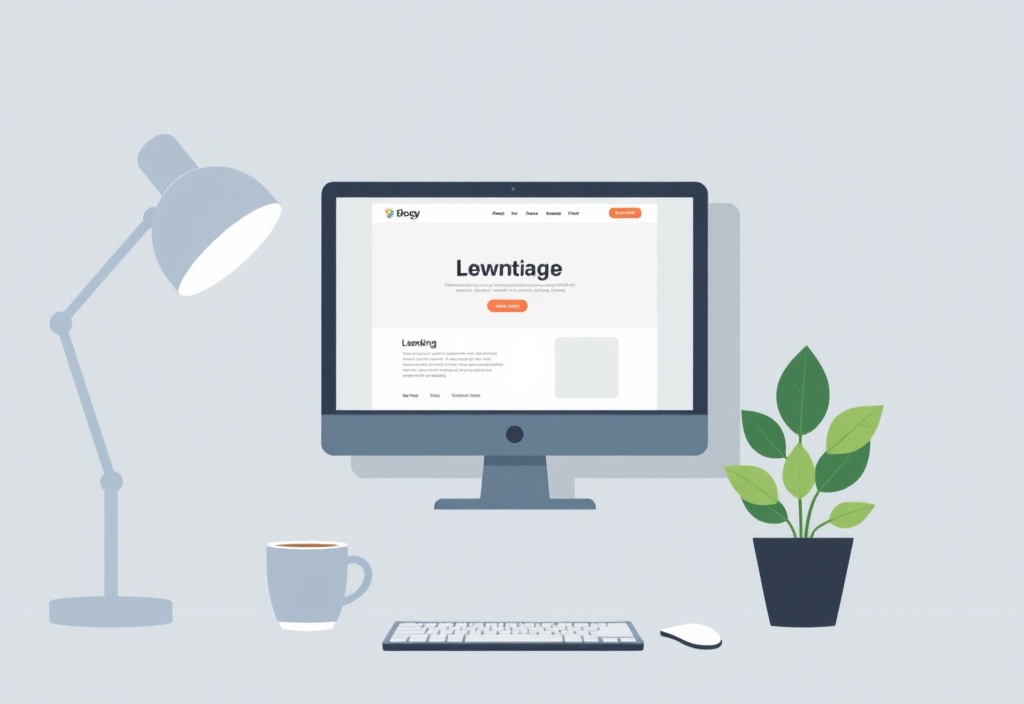
A landing page is a single web page with one goal: to explain your offer and invite visitors to sign up for early access, a waitlist, or a free resource. You don’t need to know how to code to do this. Free tools allow you to spin up a clean, simple page in less than an hour. Write a compelling headline explaining the benefit of your future product or service, add a brief description, and include an email opt-in form.
Share this link in the online communities you researched earlier. If a healthy number of people willingly hand over their email addresses to get what you are offering, you have concrete proof that your idea has legs. If nobody signs up, you’ve saved yourself months of building something nobody wants.
This post contains an affiliate link. If you sign up through it, I may earn a commission at no extra cost to you.
5. Step-by-Step Guidance and Building Your Online Foundation
When you are completely new to the online business world, taking these validation steps can feel a bit overwhelming. You might find yourself asking: how do I actually build that landing page, where do I find the right community, and how do I turn a validated idea into a real website later on?
If you want a structured, beginner-friendly path that walks you through building an online business from scratch—including how to research niches and set up your initial digital assets—check out Wealthy Affiliate. It provides step-by-step training wheels for absolute beginners who want to build a sustainable online presence without getting lost in technical confusion.
6. Pre-Sell Your Offer or Run Beta Tests
The ultimate test of any business idea is whether someone will actually pay for it. Many beginners are terrified to ask for money, fearing it is too pushy. But in reality, paying customers are the ultimate validation.
You can pre-sell your service or digital product before you even create it. Offer a discount to your first few customers in exchange for their patience while you build it out. For instance, if you are planning to offer freelance consulting, reach out to a few prospects and offer a deeply discounted “beta session” to help them solve their problem right now. If they pay you, your idea is officially validated. Not only do you make your first sale, but you also get valuable feedback that helps you improve your offering before a wider launch.
Conclusion: Start Small and Validate Often
Testing your business idea shouldn’t feel intimidating, and it certainly shouldn’t cost you a fortune. By focusing on conversations, simple landing pages, and pre-selling, you can completely remove the guesswork from starting a business. Remember, every successful entrepreneur started with a simple hypothesis and tested it out in the real world. Take your time, listen to your future customers, and enjoy the process of bringing a truly viable idea to life.
More from our store