Stepping into the world of investing can feel like walking onto a spaceship. There are endless charts flashing red and green, complicated terminology, and the constant, nagging fear that one wrong click will wipe out your hard-earned savings. If you are feeling overwhelmed, take a deep breath. There is a completely safe, stress-free way to test the waters before you risk a single dollar of your real money. It is called paper trading, and learning how to use a demo trading account for beginners is the absolute smartest first step you can take.


Before you ever link your bank account to a brokerage, a demo account allows you to practice placing trades using virtual currency in real-time market conditions. It mimics the exact interface, price movements, and order types of a live account, but with zero financial risk. In this guide, we are going to break down everything you need to know about setting up, using, and maximizing a practice account so you can build real confidence without the costly mistakes.
What Is a Demo Trading Account and Why Do You Need One?
A demo trading account, often referred to as paper trading, is a simulator provided by online brokerages. When you sign up for one, the platform credits your account with a large sum of fake money—say, $10,000 or $100,000 in virtual cash. You can then search for stocks, exchange-traded funds (ETFs), or other assets, and place simulated buy and sell orders.
Why is this crucial for total beginners? Because the learning curve in investing is steep. You need to learn how to navigate the trading platform, understand the difference between market orders and limit orders, and figure out how to read basic portfolio dashboards. Making a mistake on a real account—like accidentally buying ten times more shares than you intended or selling at the wrong time due to panic—can cost you dearly. A demo account gives you a safe sandbox to make those inevitable beginner blunders without any real-world consequences.
Furthermore, it helps you manage your psychological relationship with the market. Seeing numbers fluctuate on a screen triggers real emotions of excitement and fear, even when the money is fake. Practicing in a simulator helps you get used to that emotional roller coaster so you can stay calm when you eventually transition to real funds.
Choosing the Right Brokerage Platform to Practice On
Not all demo accounts are created equal. When you are looking for a platform to practice on, you want to choose a reputable, beginner-friendly online brokerage that offers a seamless simulation feature alongside its live trading platform.
Many modern brokerages offer free paper trading directly inside their mobile apps or desktop websites. Look for platforms that provide clean, intuitive user interfaces, reliable real-time data feeds, and comprehensive educational resources. Avoid overly complex institutional platforms designed for professional day traders, as they will only add unnecessary confusion to your learning process.
When signing up for a demo account, most platforms will require basic information like your name and email address. You generally do not need to fund the account or provide sensitive financial documents just to test out the simulator. Take your time exploring a few different options to see which platform’s layout feels the most natural and comfortable to you.

How to Set Up Your Virtual Portfolio and Set Realistic Rules
Once you have chosen your brokerage and opened your demo account, the first thing you will want to do is customize your virtual starting balance. Many platforms automatically drop $100,000 or even $500,000 into your simulation wallet. While having a massive balance is fun, it can actually hurt your learning process.
If you plan to start investing with $500 or $1,000 of your own money later on, practicing with $100,000 in virtual cash will teach you bad habits. A $50 loss on a $100,000 portfolio feels like nothing, but that same loss on a $500 portfolio is significant. If possible, reset your demo account balance to roughly the amount of real money you intend to start with eventually. This keeps your practice grounded in reality.
Next, treat your demo account like a real business. Keep a physical or digital trading journal where you write down every single trade you make, the date, the asset name, the price, and your specific reasoning for entering the trade. Without this discipline, a demo account just becomes a mindless video game where you buy random stocks on a whim, defeating its entire educational purpose.
Treating Fake Money Like Real Money: Mastering Emotions
The biggest trap of paper trading is the lack of emotional stakes. Because the money isn’t real, it is very common for beginners to take reckless risks, throw thousands of dollars into volatile penny stocks, and completely ignore basic risk management rules. They figure, if it works out, great; if it crashes to zero, who cares?
This mindset destroys the value of the exercise. To truly benefit, you must learn how to use a demo trading account for beginners with strict psychological discipline. Pretend that every virtual dollar you are risking represents your hard-earned savings from your 9-to-5 job.
Pay close attention to how you feel when a trade drops by 10% in a single afternoon. Do you feel a sudden urge to panic-sell? Do you feel tempted to hold onto a losing trade indefinitely, hoping and praying it will bounce back? Recognizing these emotional triggers in a simulator is the first step toward conquering them. Remember, successful investing is rarely about finding the single hottest stock; it is about emotional control, consistency, and protecting your capital from large, irreversible losses.
Understanding Market Realities: Why Most Beginners Lose Money
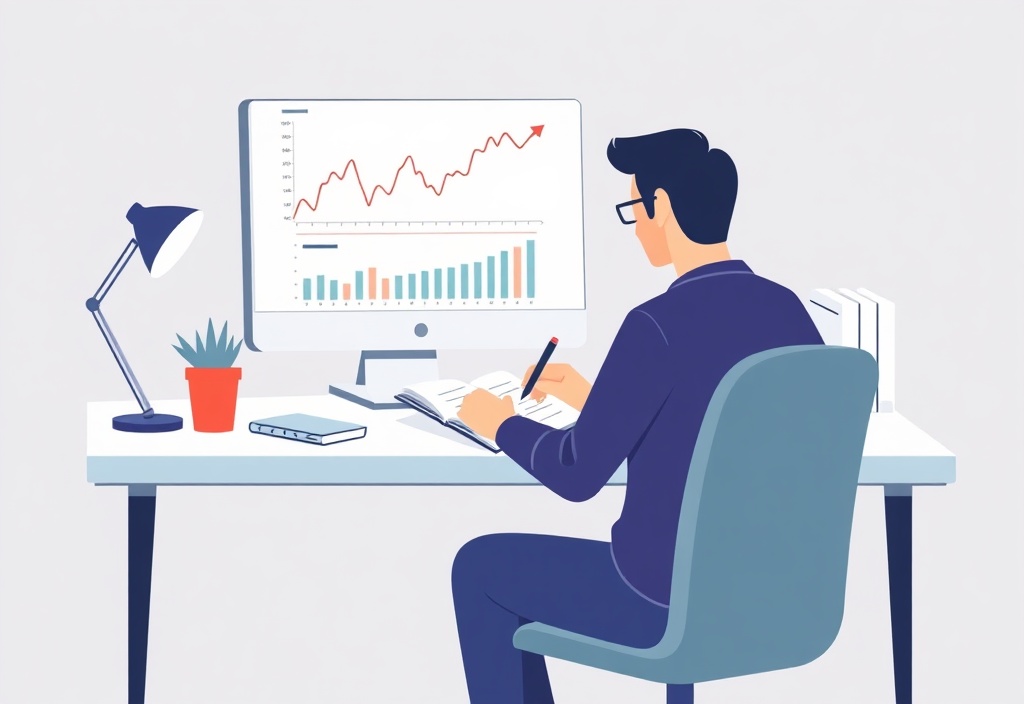
Before you ever transition from a demo account to a live account with real money, you need to hear a hard, honest truth: the vast majority of retail day traders and short-term speculators lose money. Financial markets are fiercely competitive, influenced by global economic events, institutional investors with massive resources, and sudden algorithmic shifts.
Demo accounts can sometimes give beginners a false sense of security. Because market fills in simulators are often instantaneous and frictionless, you might experience quick, easy profits during a booming market trend. In reality, live trading involves slippage, transaction fees, and liquidity constraints that simulators sometimes gloss over.
Furthermore, managing your mindset when real cash is on the line is exponentially harder than practicing on a simulator. If you are consistently losing money in your demo account, take that as a massive warning sign. Do not rush to fund a live account hoping your luck will change. Instead, view losses in your simulator as cheap education. Figure out what went wrong, refine your strategy, and focus heavily on risk management principles, such as never risking more than a tiny fraction of your total capital on any single idea.
Transitioning from Practice to Reality: When Are You Ready?
A common question beginners ask is: How long should I use a demo account before switching to real money? There is no magic calendar timeframe, but there are certain milestones you should reach first.
You are likely ready to consider a small live account only after you have demonstrated consistent, disciplined execution in your simulator for at least a few months. This means you can comfortably navigate the platform without second-guessing every button, you have maintained a detailed trading journal, and you have developed a strict risk management routine.
When you do finally make the jump to real money, start remarkably small. Fund your account with an amount you are genuinely comfortable losing entirely, and treat your first few months of live investing as a transitionary phase rather than a get-rich-quick scheme. Always prioritize the preservation of your capital over chasing massive, unrealistic gains.
Disclaimer: This article is for educational purposes only and is not financial or investment advice. Trading carries a high risk of loss, and most beginners lose money. Never trade with money you cannot afford to lose, and consider speaking to a qualified, regulated financial adviser.
More from our store