
When you first decide to start a digital venture, the excitement is hard to beat. You picture yourself working from a laptop at a coffee shop, earning money while you sleep, and finally escaping the 9-to-5 grind. But right alongside that excitement usually comes a heavy dose of anxiety, especially when you are trying to figure out how to spot online business scams for beginners. The internet is flooded with slick sales pages, exaggerated income claims, and “gurus” promising overnight riches if you just buy their expensive course. It is completely normal to wonder if every single opportunity out there is a trap.
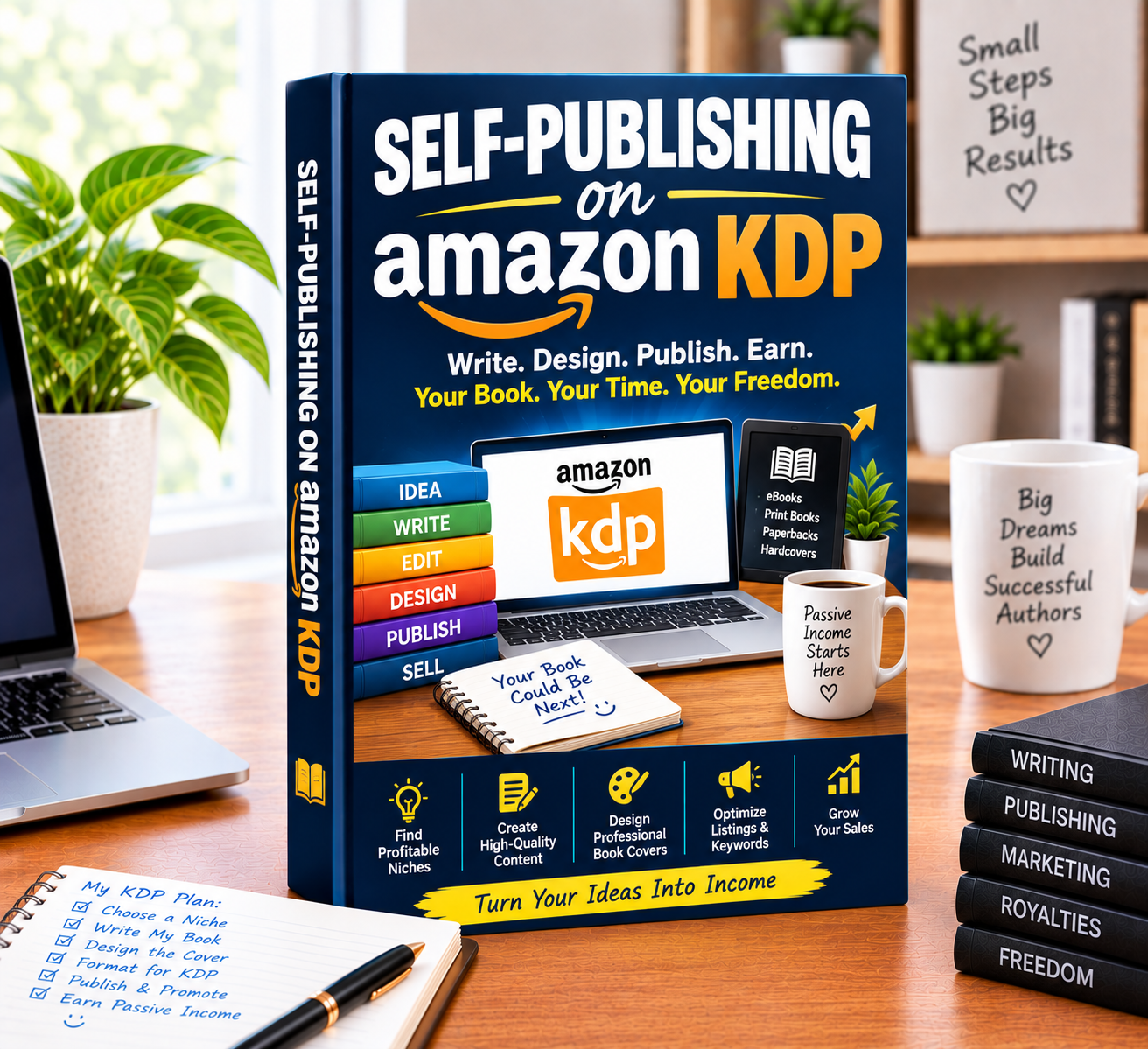
Self-Publishing on Amazon KDP
£20.00 Original price was: £20.00.£7.00Current price is: £7.00.

Trust Your Journey Crewneck Sweatshirt
£40.00 Original price was: £40.00.£30.00Current price is: £30.00.

Gratitude Turns Ordinary Days Into Gold Ceramic Mug
£10.00 Original price was: £10.00.£5.00Current price is: £5.00.
The good news is that real, legitimate online businesses do exist. People build honest, sustainable income streams every single day through content creation, e-commerce, digital services, and affiliate marketing. However, separating those genuine opportunities from empty promises requires a bit of skepticism, a clear head, and a solid understanding of how real value is created online. If you are starting from scratch and want to protect your hard-earned money, you need a reliable framework for evaluating what is real and what is pure fiction.
1. The Golden Rule: If It Sounds Too Good to Be True, It Probably Is
Let’s start with the oldest rule in the book, because it remains the most powerful defense you have. When evaluating any online business idea, pay close attention to the marketing language being used. Scams thrive on emotional triggers like greed, laziness, and fear of missing out. If a website claims you can make thousands of dollars a week with “zero experience,” “no work,” and “automated push-button software,” run the other way.
Real businesses require time, effort, and problem-solving. Whether you are selling physical products, helpful content, or professional services, money only changes hands when you provide real value to another human being. If a pitch focuses entirely on how rich *you* will get without ever explaining *how* the underlying business actually creates value, you are looking at a scam or, at best, a glorified pyramid scheme.
2. Red Flags That Reveal a Fake Opportunity
Spotting bad ideas and predatory offers becomes much easier once you know what specific warning signs to look for. Con artists and low-quality marketers tend to use the exact same playbook. Keep your guard up if you notice any of these common red flags:
- Vague business models: If you read through a sales page three times and still cannot explain what the business actually sells or how it makes money, be very suspicious.
- High-pressure scarcity tactics: Timers counting down to midnight, warnings that “only two spots are left,” or claims that the price will triple in an hour are designed to stop you from thinking critically.
- Flashy lifestyle displays: Rented sports cars, luxury mansions, and stacks of cash on a table have zero to do with business fundamentals. Real entrepreneurs rarely pose with rented luxury items to prove their expertise.
- Upfront fees for basic information: While investing in training is normal, paying thousands of dollars just to unlock the “secret method” before you even understand the basics is a classic trap.

Beyond those obvious traps, beginners often fall for ideas that aren’t outright scams, but are simply terrible business models for someone with zero experience. For example, jumping into high-ticket dropshipping with no marketing background can drain your savings account on Facebook ads before you make a single sale. Understanding your own capacity and budget is just as important as dodging outright fraudsters.
3. How Legit Businesses Actually Make Money
To spot a bad idea, you need to understand what a good, sustainable business model looks like. At its core, every legitimate online business falls into a few proven categories. They all share one common trait: transparency.
Content-based businesses, such as niche blogs or YouTube channels, make money by helping people find answers, products, or services. E-commerce stores sell tangible or digital goods that solve specific problems. Service providers trade their skills—like writing, graphic design, or consulting—for client fees. In each of these models, you can clearly trace where the revenue comes from. There is no magic money tree; customers pay because they received something valuable in return.
When you evaluate any new idea, ask yourself a simple question: *If this business had to survive entirely on repeat customers and organic word-of-mouth recommendations, would it succeed?* If the answer is no, and the business only survives by recruiting new victims or selling “how to make money” guides to other hopeful beginners, step away immediately.
4. Evaluating Training Programs and Courses
One of the trickiest areas for newcomers is education. You know you need to learn skills, but how do you know if a course or mentoring program is worth your money instead of being an overpriced scam?
First, look for transparency regarding who is teaching. Can you find real reviews and a verifiable track record? Second, check if the program teaches foundational, transferable business skills—like search engine optimization, content creation, or audience building—or if it locks you into a restrictive, proprietary system that only benefits the creator.
This post contains an affiliate link. If you sign up through it, I may earn a commission at no extra cost to you.
5. Finding a Step-by-Step Path You Can Trust
When you are finally ready to build something real, the hardest part is often knowing what to do first, second, and third. Information overload is a beginner’s worst enemy, leading many to jump from one shiny object to another until they quit out of frustration.
If you want a structured, transparent environment to learn the ropes of building an honest internet business from scratch, check out Wealthy Affiliate. It is one of the few platforms that gives beginners a clear, step-by-step blueprint for building a content-driven website, providing hosting, keyword research tools, and community support without resorting to high-pressure hype or hidden financial traps.

Having a structured guide helps immensely with how to spot online business scams for beginners because it replaces guesswork with a proven educational curriculum. When you understand how legitimate websites attract visitors and monetize through helpful content, you become completely immune to overnight-rich schemes that rely on confusion and ignorance.
6. Trust Your Gut and Take Things Slow
Ultimately, your best defense against bad business ideas is your own intuition combined with a commitment to slow, steady growth. Building a real online business takes months of consistent effort, not minutes. If an offer makes you feel rushed, anxious, or pressured, take a step back.
Remember that you do not need to risk your life savings to get started. Many of the best online business models can be launched with very little capital, relying primarily on your time, creativity, and willingness to learn. Take your time, do your research, and focus on building genuine value for real people, and you will easily avoid the traps that catch so many other beginners off guard.
