
If you have spent more than five minutes scrolling through social media, you have probably run into someone promising that you can make thousands of dollars while you sleep by selling digital downloads. It sounds like a dream come true, especially when you are wondering: are digital products passive income for beginners? After all, the idea of creating something once and selling it infinitely is incredibly appealing, particularly if you do not have a background in tech or web design.

50 AI Business Ideas Blueprint
£30.00 Original price was: £30.00.£10.00Current price is: £10.00.

Your Best Days Are Ahead – Crewneck Sweatshirt
£40.00 Original price was: £40.00.£30.00Current price is: £30.00.

Unisex T-Shirt — “The Permission Lives Inside You
£30.00 Original price was: £30.00.£20.00Current price is: £20.00.
However, before you dive headfirst into designing planners, templates, or e-books, it is time for some honest talk. The short answer is yes, digital products can eventually become passive, but the journey to get there is far from effortless. For beginners with zero tech skills, understanding the gap between the internet hype and daily reality is crucial to avoiding burnout and disappointment. Let us break down what it actually takes to build a digital product business from scratch.
The Myth of Instant Passive Income
Let us clear the air right away: no income stream is 100 percent passive from day one. When people ask if digital products are passive income for beginners, they usually picture a magical button they press once, followed by a lifetime of daily cash deposits. The truth is much more grounded in reality.
When you first create a digital product—whether it is a budgeting spreadsheet, a graphic design template, or a beginner’s guide—you are doing active work. You are brainstorming, researching, building, testing, and formatting. Even if you use free, beginner-friendly tools that require zero coding knowledge, you are still investing hours of your time.
Once the product is created, you still have to package it, set up a checkout page, and, most importantly, drive traffic to it. A digital product sitting silently on a hidden webpage will not sell itself. The “passive” part only kicks in *after* you have built a reliable system for getting eyes on your product. For a beginner, that system-building phase takes active consistency, patience, and learning.

What “No Tech Skills” Really Means Today
One of the biggest fears for total beginners is the technology barrier. You might think, “I don’t know how to code, I don’t know what a funnel is, and I barely know how to format a PDF.” The good news is that modern online business tools are specifically designed for people with zero technical background.
You do not need to build a website from scratch or write a single line of code. Platforms exist today that let you upload a PDF, set a price, and give you a simple checkout link in less than ten minutes. Graphic design tools allow you to use drag-and-drop templates to make professional-looking work without any prior design experience.
However, “no tech skills” does not mean “zero learning curve.” You will still need to learn how to click around a new dashboard, connect a payment processor like PayPal or Stripe, and figure out how your customer will actually receive their download. It is entirely doable for a beginner, but you should expect to spend a weekend or two getting frustrated by small tech hurdles before things start flowing smoothly.
The Real Work: Marketing and Trust-Building
If creating the product is ten percent of the work, marketing it is the other ninety percent. This is where many beginners get tripped up because they assume that listing a product on a marketplace guarantees sales.
To make consistent sales without working around the clock, you need a marketing engine. This usually looks like creating helpful, free content—such as blog posts, short videos, or social media posts—that naturally leads people to your paid digital product. Building that audience takes time. You are trading your time and effort upfront to build trust with potential buyers.
Think of it like planting a garden. You dig the soil, plant the seeds, water them, and pull weeds for weeks before you see a single sprout. Eventually, the plants grow strong, and you can harvest food with much less daily effort. But you cannot skip the watering phase. Are digital products passive income for beginners if you do not put in that initial marketing groundwork? Unfortunately, no.
This post contains an affiliate link. If you sign up through it, I may earn a commission at no extra cost to you.
Where to Start When You Do Not Know What You Are Doing
By now, you might be wondering how to tie all of these pieces together without getting completely overwhelmed by conflicting advice online. When you are sitting at your kitchen table trying to figure out your very first niche, your very first product idea, and how to set up your very first sale, it is easy to freeze up.
This is the exact moment when having a structured, step-by-step roadmap changes everything. Instead of piecing together random YouTube tutorials that leave out half the steps, following a proven training platform helps you build your foundation correctly. If you want a clear, beginner-friendly environment where you can learn how to build an online business from the ground up without any tech stress, check out Wealthy Affiliate. It walks you through everything from finding your footing to setting up your digital assets in a way that makes sense for absolute beginners.
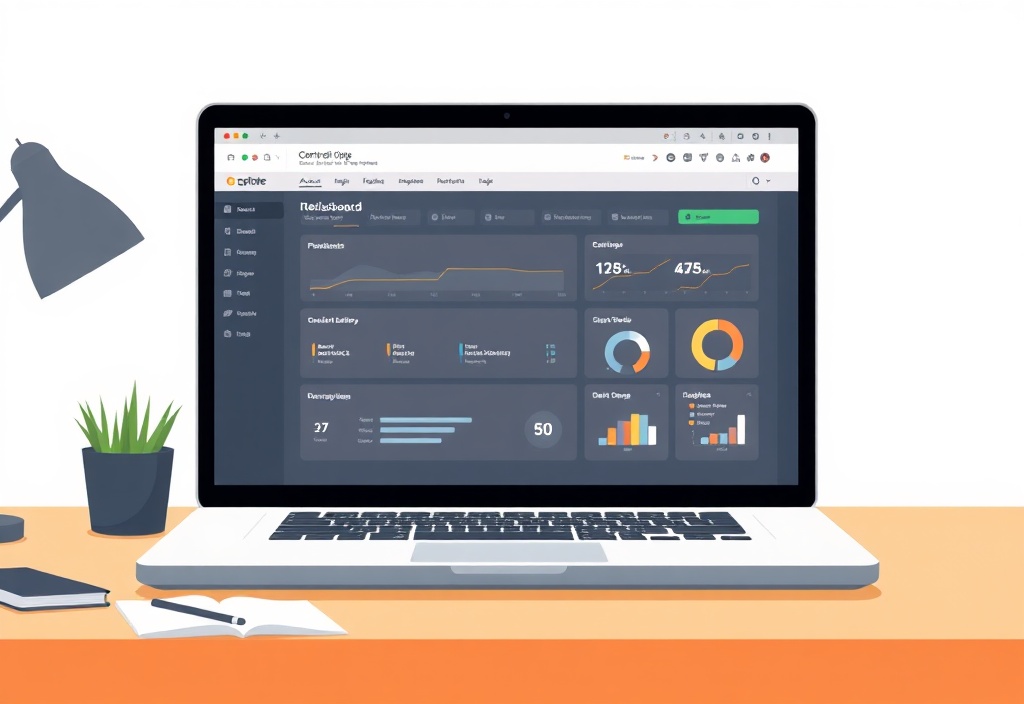
Transitioning from Active Hustle to True Leverage
The beauty of digital products is that once you get past the initial setup and marketing phase, the leverage kicks in. When someone buys a physical product, you have to pack it, pay for shipping, and manage inventory. When someone buys a digital product, a computer program delivers it instantly while you sleep.
That is where the magic happens. You can sell the exact same digital planner one hundred times without spending an extra minute creating a new one. Your profit margins are exceptionally high because there are no ongoing manufacturing costs.
As you gain experience, you can automate your email sequences so that when a new subscriber joins your list, they automatically receive helpful emails that introduce them to your digital products. At this stage, your business genuinely starts feeling passive. You are waking up to notifications that sales were made overnight, fueled by content and systems you built months prior.
Setting Realistic Expectations for Your First Year
If you are stepping into the world of online business today, patience is your greatest asset. Do not quit your day job expecting your first printable checklist to replace your income in thirty days. Treat your first digital product as an experiment and a learning experience.
Expect to spend your first few months learning how to create value for people, understanding how to talk about your offers clearly, and getting comfortable with basic online tools. Celebrate your very first sale—even if it is from a stranger across the world—because that proves the system works.
Ultimately, are digital products passive income for beginners? Yes, but they are earned passive income. You pay for your future passive freedom with upfront focus, creative effort, and consistent marketing. If you are willing to put in the honest work today, the digital business you build tomorrow can give you the flexibility and freedom you are looking for.
