
If you have ever sat at your computer late at night scrolling through endless lists of online business ideas, you probably know the exact brand of exhaustion that comes with digital overload. One website tells you to dropship cheap gadgets, another insists you must launch a high-ticket coaching program, and a third claims affiliate marketing is the only path to freedom. It is totally normal to stare at your screen wondering how to know which online business to start when every single option sounds loud, complicated, and entirely overwhelming. The truth is, the internet makes it look like you have to pick the absolute most profitable path on day one. But for a total beginner, chasing maximum profit without considering your actual daily life is a fast track to burnout. Building a sustainable online business is not about finding the single best business model in existence; it is about finding the model that fits your personality, your current skill set, and the hours you realistically have available in your weekly schedule. Let us strip away the hype, ignore the flashy revenue screenshots, and look at a practical, grounded way to evaluate your options so you can finally pick a lane and stick to it.

Keep Your Dreams Alive Ceramic Mug
£10.00 Original price was: £10.00.£5.00Current price is: £5.00.

Make Today Count Ceramic Mug
£10.00 Original price was: £10.00.£5.00Current price is: £5.00.
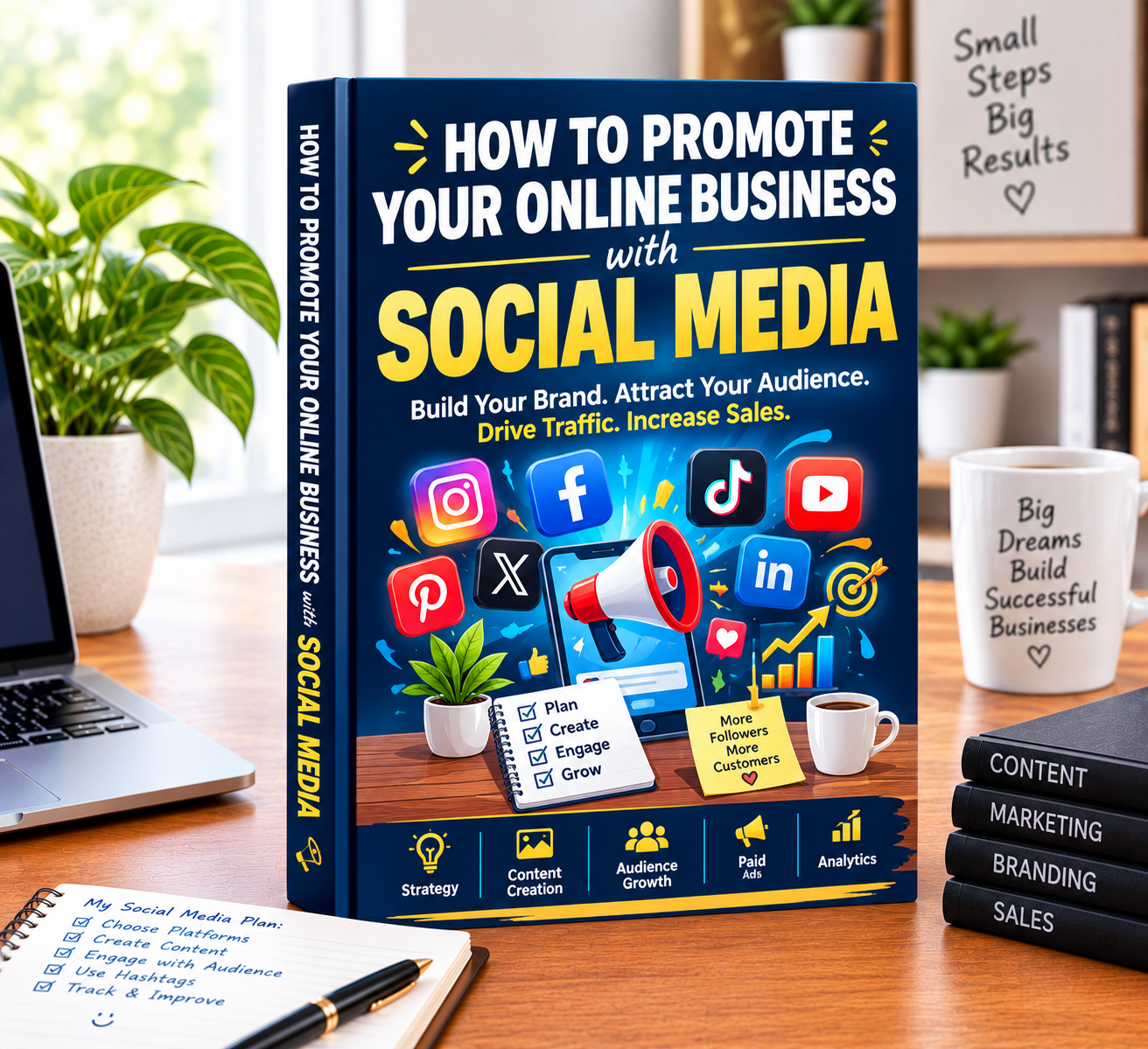
How to Promote Your Online Business with Social Media
£30.00 Original price was: £30.00.£7.00Current price is: £7.00.
Take Stock of Your Real Energy and Free Time
Before you even look at business models, you have to look at your calendar with brutal honesty. A lot of beginners make the mistake of choosing a business based purely on what sounds cool, rather than what fits their life. Ask yourself: do you have two hours a week, or two hours a day? Are your peak energy hours early in the morning before your day job, or late at night after the kids go to sleep? If you choose a business model that requires constant live interaction—like day trading, high-volume freelance client work, or running live webinars—and you only have fragmented pockets of time, you are setting yourself up for constant stress. On the flip side, if you prefer deep, focused work where you can write articles or build digital assets quietly at your own pace, content-driven businesses will suit your temperament much better. Match your business to your clock, not your fantasies.

Compare the Three Main Beginner Business Models
To cut through the noise, it helps to group online businesses into three major categories. Almost every beginner-friendly business falls into one of these buckets. First, we have service-based businesses, where you trade your time and skills for money (like freelance writing, virtual assistance, or graphic design). This is the fastest way to make your first dollar online because you do not need an audience or a website, but it has a hard income ceiling because you only get paid when you are working. Second, we have e-commerce and dropshipping, where you sell physical or digital products. This can scale nicely, but it comes with inventory headaches, customer service loops, and upfront financial risk for ads. Third, we have content and affiliate marketing, where you build a helpful website or social presence around a topic you enjoy and earn commissions by recommending products you trust. This takes the longest to show financial results, but it offers the most passive income potential and requires the lowest starting budget. Knowing the pros and cons of these three helps you figure out how to know which online business to start based on whether you need quick cash flow or long-term freedom.
Audit Your Hidden Strengths and Genuine Interests
One of the biggest myths in the online business world is that you need to be a certified guru to start something. In reality, you just need to be one step ahead of the person you are trying to help. If you spent the last three years figuring out how to budget for a household of five on a single income, you have valuable knowledge. If you learned how to care for indoor houseplants after killing a dozen ferns, that is a viable niche. When evaluating ideas, look at your life through a practical lens: What do your friends constantly ask you for advice about? What topics do you happily read about on a Saturday morning when nobody is paying you? Sticking to a topic you actually care about matters because building an online business takes months of consistent effort before it pays off. If you pick a niche purely because a guru said it makes money, but you find it soul-crushing to write or talk about, you will quit by month three.
Test the Waters Before You Quit Your Day Job
A common trap for beginners is treating the launch of an online business like opening a brick-and-mortar storefront. They spend thousands of dollars on fancy logos, expensive software subscriptions, and custom branding before they have made a single penny of revenue. That approach creates massive financial pressure and panic. Instead, treat your business idea as an experiment. Your only goal in the first few months is validation—proving that people actually care about what you are offering. Start with free or ultra-low-cost tools. Write your first few articles on a basic blog setup, or offer your service to three people at a heavy discount in exchange for testimonials. By keeping your financial risk near zero, you remove the emotional weight of failure, which makes the whole process infinitely more enjoyable and sustainable.

This post contains an affiliate link. If you sign up through it, I may earn a commission at no extra cost to you.
Follow a Step-by-Step Blueprint to Stop Guessing
Once you narrow down your general direction—such as deciding to build a content-based website around a specific hobby or passion—the hardest part becomes figuring out the exact technical steps. It is very easy to get stuck in tutorial hell, watching endless YouTube videos without actually moving your business forward. When you reach that point where you need a structured, beginner-friendly environment that walks you through niche selection, website building, and traffic generation without the confusing jargon, it helps to plug into a proven system. Platforms like Wealthy Affiliate provide comprehensive, hands-on training that guides you through building a real online foundation step by step, which takes the guesswork out of the daily execution.
Commit to One Idea for at Least Six Months
The number one killer of beginner online businesses is not bad ideas or lack of talent—it is shiny object syndrome. Beginners often spend four weeks writing blog posts or setting up a store, get discouraged because they are not rich yet, and completely pivot to a brand new business model. Every single time you pivot, you reset your progress back to zero. The secret to figuring out how to know which online business to start is realizing that execution matters much more than the initial idea. Pick the model that fits your schedule, choose a topic you can tolerate talking about for a year, and make a firm mental commitment to give it at least six months of consistent, weekly effort before you judge the results. Stick to the path, block out the noise of overnight success stories, and focus entirely on taking one small, practical step forward every single day.
